E-6 Cine Film Processing
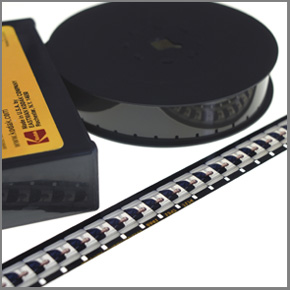
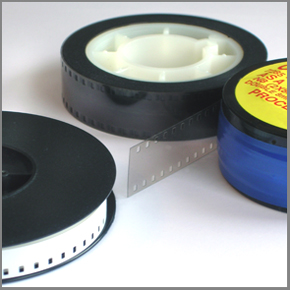
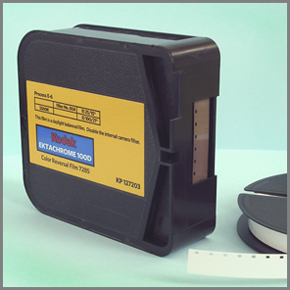
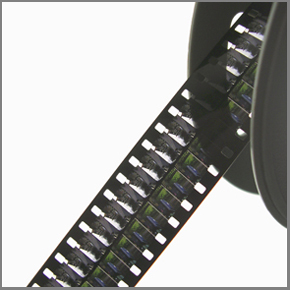
Colour reversal cine films are machine processed to the highest standards using full specification Fuji Pro6 professional E-6 chemicals.
Process quality control is densitometrically maintained in-house using E-6 control films along with chemical monitoring and management.
This service is for processing all modern E-6 compatible cine films such as….
- Kodak Ektachrome 100D (7294 / 7285)
- Kodak Ektachrome 64T (7280)
- Fujichrome Velvia 50D
- Fujichrome Astia 100D
- Fujichrome Provia 100D
- Fujichrome Provie 100D
- Cine Renaissance Provie 100D
- Wittnerchrome V50D
- Wittnerchrome 100D
- Wittnerchrome 200D
- Wittnerchrome Astia 100F Konfekt
- Spectra V-50
- Cine8 100D
- Cinechrome 100D
- Cinechrome 200D
- KAHL Colour Chrome UT-18
- KAHL Colour Universal NC-15
- KAHL Colour Universal NC-17
- Pro8mm Super 8/88
- Lomography X-Pro
Push ( ‘forced’ ) and pull processing ( +2 stops to -1 stop ) is also available.
Super 8mm films are returned with leader attached and supplied on a 50ft plastic reel ready for projection.
Standard 8mm ( 50 ft from 16mm 25 ft rolls ) are slit and spliced after processing with leader attached and supplied on a ( super 8 ) 50ft plastic reel ready for projection. You are not charged extra for these.
Specially slit and perforated formats such as 9.5mm films are returned rolled or on spools supplied ( no leader ).
16mm films are returned on the supplied spool or core ( no leader ).
Please note: Processing older colour reversal type films ( such as VNF-1 process ) or colour negative ‘cross-processing’ ( ECN-2 processed though E-6 ) is not available.
* These films have a rem-jet backing which can’t be removed during processing.
Cine film scanning is not available here. Please see ‘More Information’ ‘Links’ page.
| Super 8mm ( 50ft / 40 ft cartridge ) |
£22.00 ( includes reel & leader ) |
| Super 8mm ( per foot ) | £0.45 per foot ( £10.00 minimum charge / reel extra ) |
| Standard 8mm ( 16mm / 25 ft spool ) |
£18.00 ( includes Super 8mm reel & leader ) |
| Double Super 8mm ( 16mm / 100 ft ) |
£55.00 ( reels extra ) |
| Double Super 8mm ( 16mm / per foot ) | £0.55 per foot ( £10.00 minimum charge / reels extra ) |
| Double Standard 8mm ( 16mm / 100 ft ) | £55.00 ( reels extra ) |
| Double Standard 8mm ( 16mm / per foot ) | £0.55 per foot ( £10.00 minimum charge / reels extra ) |
| 9.5mm ( 100 ft ) | £45.00 |
| 9.5mm ( per foot ) | £0.45 per foot ( £10.00 minimum charge ) |
| 16mm ( 100 ft ) | £55.00 |
| 16mm ( per foot ) | £0.55 per foot ( £10.00 minimum charge ) |
| Snip test ( 8mm one foot / 16mm three feet ) head or tail |
£5.00 |
| Push / Pull process | £5.00 extra ( +2 stops / -1 stop in 1/3rd stops ) |
| Rush Service ( pre-arranged only ) | £10.00 per film |
| Super 8mm 50ft reel | £2.50 ( only supplied with short ends processing ) |
| Kodak leader Film (white / grey) acetate / standard projection pitch | |
| Standard 8mm | £0.40 per foot |
| Super 8mm | £0.40 per foot |
| 16mm | £0.50 per foot |

Do you have Kodachrome ?
If you have Kodachrome film for processing, you’ve missed the boat having them developed in colour now.
The last service for process K-14 ended in December 2010 by Dwaynes Photo lab.

The only practical option left is having Kodachrome films processed as B&W negatives ( then getting them scanned and inverted to positive for viewing ). Specialist laboratories such as Film Rescue International in Canada can help.
To make an enquiry, please contact us here